A complex and unique task
The construction of a nuclear power plant goes far beyond the actual building of the plant itself, requiring years of preparation, large-scale infrastructure, and the utmost attention to safety.
More than concrete and steel
What is involved in building a nuclear power plant?
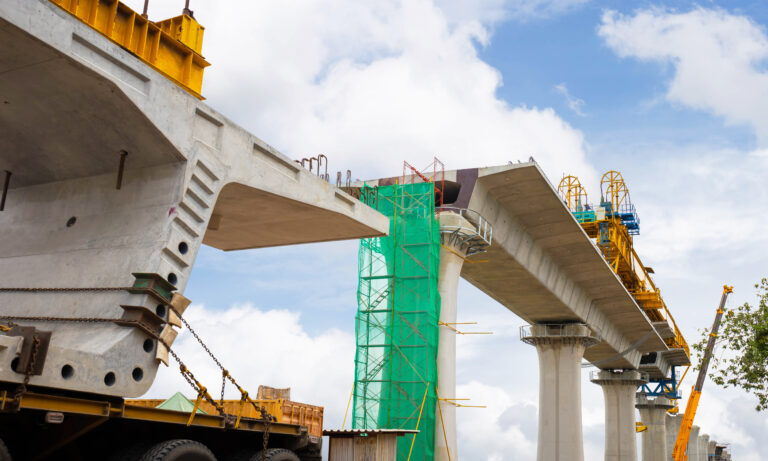
The enormous task we face involves not only the construction of the nuclear power plants themselves, but also all the supporting facilities. These include roads, railways, a port, cooling water installations, and high-voltage power lines, as well as offices, storage buildings, and a fire station. To give you an idea of the timescale involved: for some crucial components of the nuclear power plant, such as the pressure vessel, the delivery time can be more than five years.
Logistical challenge
At the peak of construction, approximately 10,000 people will be working on the construction site. All these people must be able to reach their workplace, as must the future employees of the power plant. This requires good logistics and careful coordination. We are meeting this logistical challenge through various processes, some of which are running simultaneously: from selecting a technology supplier to preparing permits and getting the site ready for construction. Each part requires its own expertise and approach.
Our foundation
Safety from start to finish
Safety is paramount in everything we do. Not only during the construction and operation of the nuclear power plant, but also far into the future when the plant is decommissioned. At that point, detailed knowledge must be available about every component—down to the smallest bolt. This requires accurate documentation and an organisation that meets the highest standards in terms of corporate culture, safety culture, process design, and IT infrastructure.
Oversight of nuclear safety
The Authority for Nuclear Safety and Radiation Protection (ANVS) ensures that nuclear safety and radiation protection in the Netherlands meet the highest standards. For construction and operation, NEO NL must apply to the ANVS for licences demonstrating that the chosen technology is safe, and that the construction can be carried out safely. The ANVS also supervises during construction and when the plants are in operation.
Proven safe technology
The Netherlands has consciously opted for proven nuclear technology. The reactors being built belong to the so-called third generation (Generation III+) and have been developed on the basis of years of experience with nuclear energy. They comply with strict international safety standards and offer reliable and stable electricity production. These reactors are already successfully operating in other countries, such as France and Finland.
Nuclear energy in the Netherlands
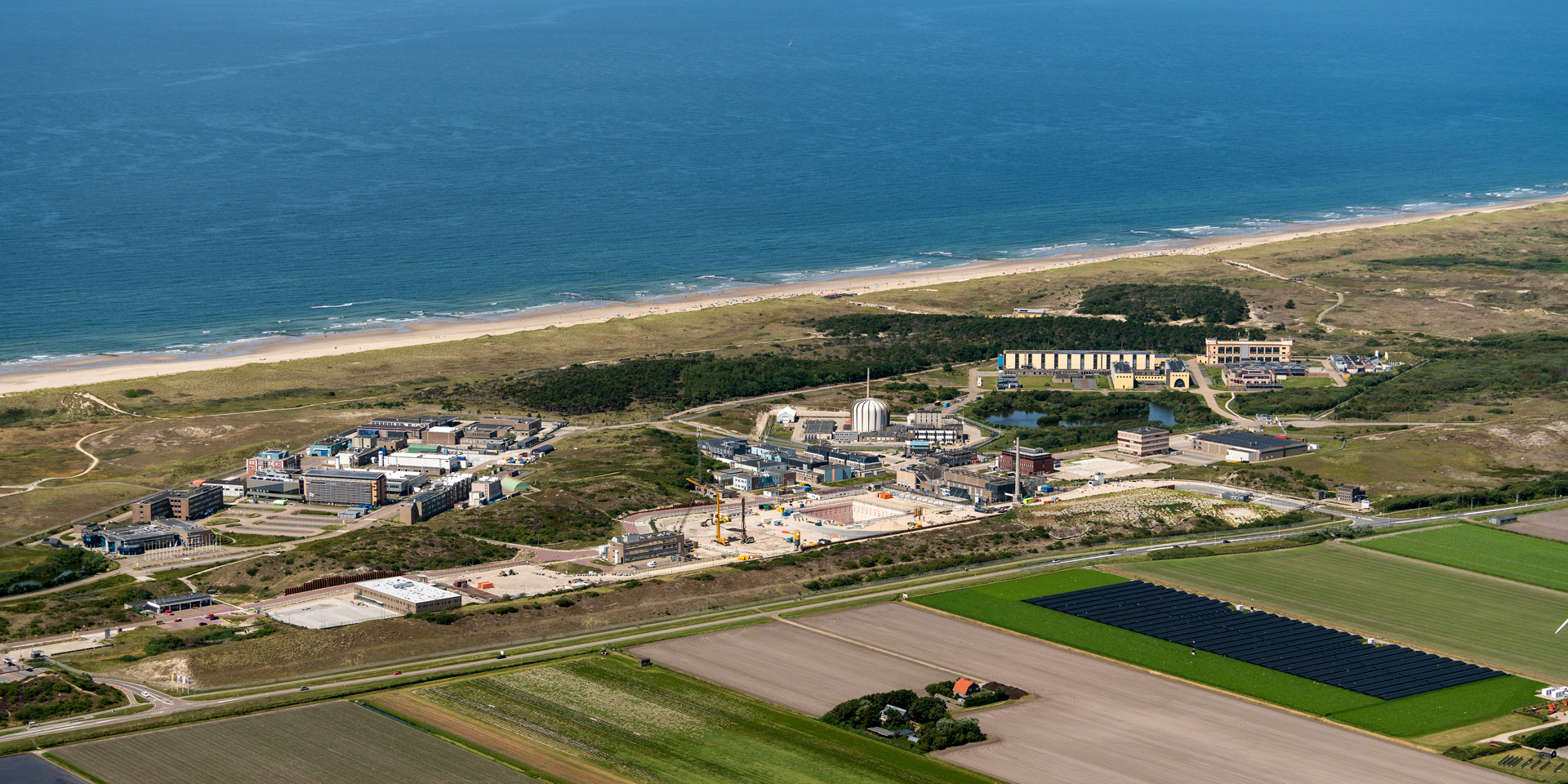
Nuclear reactors have been used since the 1960s to generate reliable electricity, but also for scientific research and medical applications.
How does a nuclear power plant work?
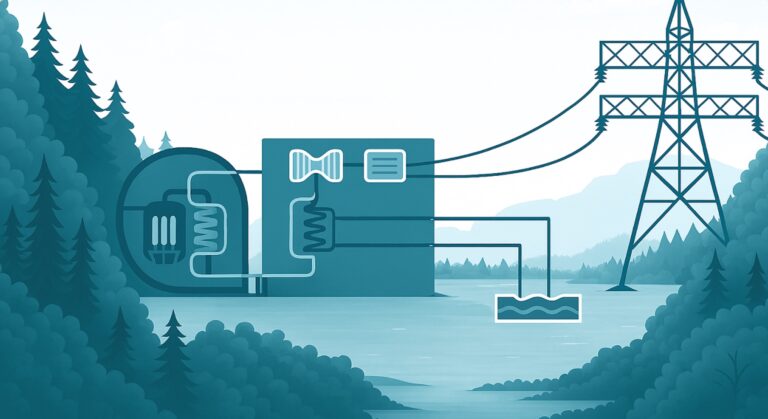
A nuclear power plant uses the heat released during the fission of nuclear fuel, such as uranium, to generate electricity. This heat turns water into steam, which is then used to produce energy. In a way, a nuclear power plant is a very large kettle powered by uranium.
A good relationship with the community
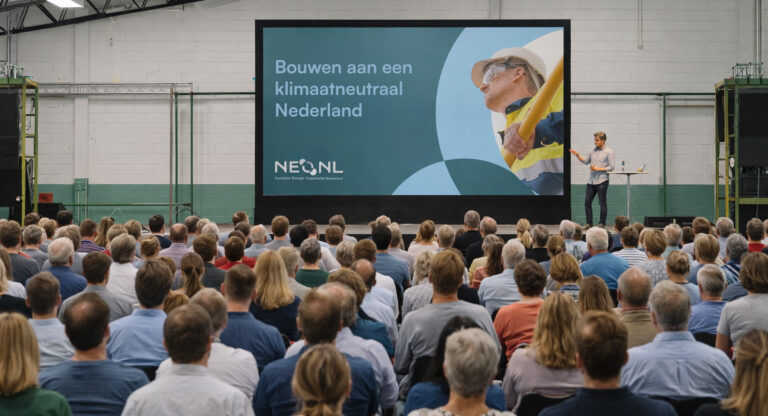
We understand that the development of two nuclear power plants has a significant impact on the surrounding area. That is why we consider it essential to maintain strong relations with the local community, both during the preparation phase, throughout construction, and once the plants are in operation. Engagement with the local community is therefore embedded in our approach from the moment the location is announced. We listen to what is going on in the local community and take the interests of local residents and other stakeholders seriously. Together, we aim to build a long-term partnership to realise this project.
Frequently Asked Questions
Answers to the most frequently asked questions about the two new nuclear power plants
As a local resident, what will I notice during the construction work?
Building a nuclear power plant not only takes a lot of time, but also requires a lot of space and a lot of people. For example, traffic to get materials and people to the construction site, or sounds and dust caused by construction activities. Efforts are being made to minimise the nuisance caused by the construction as much as possible. That is why, from the moment the location is announced, agreements are being made with municipalities, companies, and local residents about what they can expect.
As a local resident, what will I notice once the nuclear power plants are in place?
In everyday life, you usually notice very little of this. Just like any other large industrial estate, there are several large buildings visible. The power plants do not cause any noise pollution. What you do sometimes notice is that there will be extra attention to safety in the region, such as periodic tests of warning systems. This is part of the precautions taken to ensure that the nuclear power plants can operate safely.
How are nature and animals in the vicinity of the nuclear power plants taken into account?
To build nuclear power plants, extensive research is conducted into their impact on the natural environment, including the animals living in the surrounding areas. One of the reasons the government opts for nuclear power is that nuclear power plants produce low-carbon electricity and are therefore less harmful to the environment than power plants that rely on fossil fuels such as coal or gas.
How do you ensure that the new nuclear power plants are safe?
Safety is our number one priority. This applies to construction, materials, processes and procedures, maintenance, and the technology used. We use national and international standards and the latest knowledge and insights. In addition, nuclear power plants must comply with strict laws and requirements. The ANVS is the independent organisation supervises this. Various organizations, including the competent authority such as a municipality, also check whether work is being carried out as agreed.
What is the basis for the number of people employed during construction?
This number is based on the Third Party Review of the technical feasibility studies that have been carried out, also known as the TPR report. This report indicates that the suppliers in the technical feasibility studies are provisionally assuming a peak of 10,000 employees on site during construction.